
Amazon FBA
Seller Central
Amazon Sellers
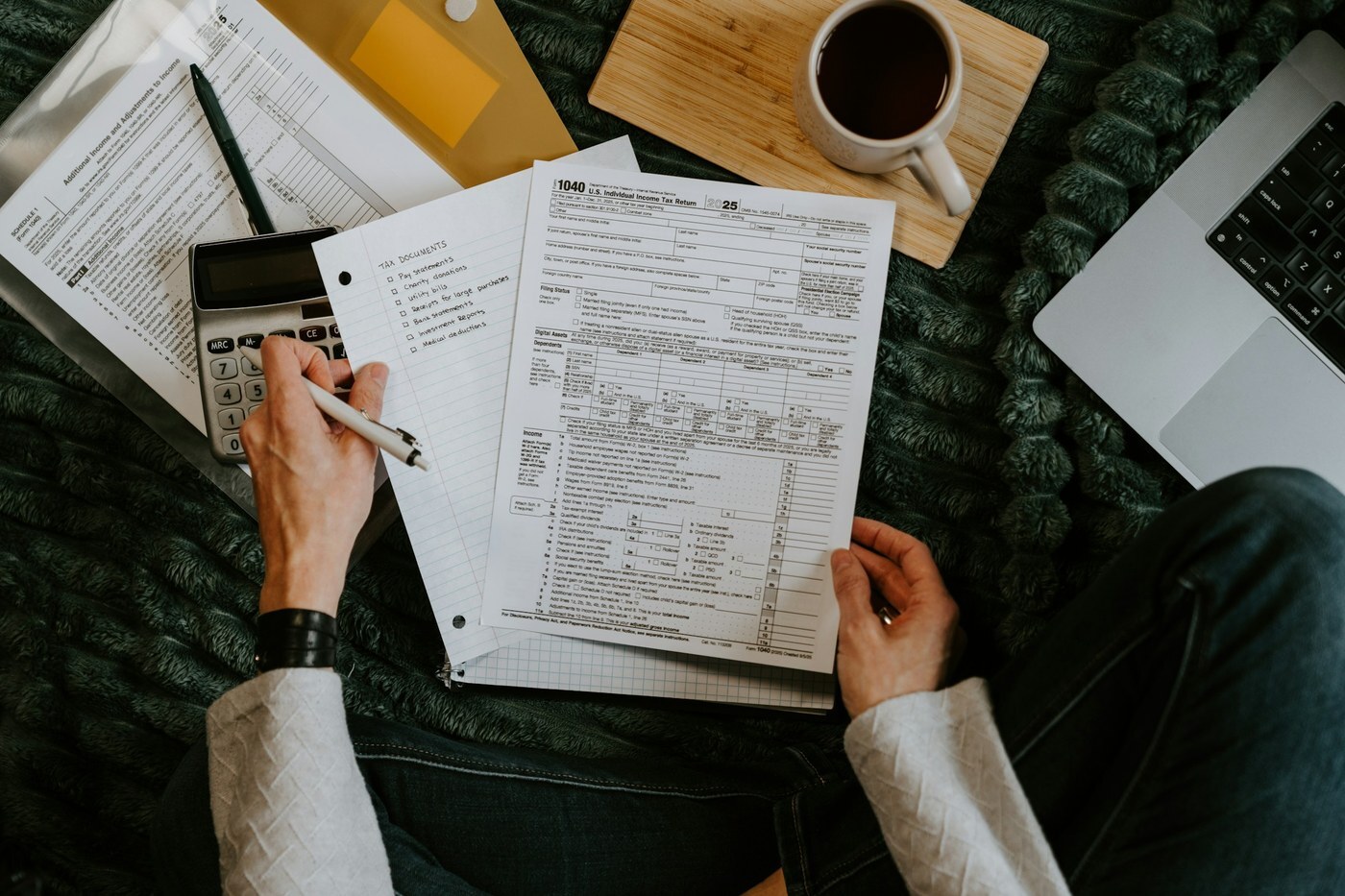

It's Thanksgiving week, so taxes are probably the last thing on your mind. But one number you will need soon depends on what happens in the next five weeks: how much inventory you own on December 31. If you sell physical products, that year-end figure feeds straight into your cost of goods sold, which is one of the biggest numbers on a seller's tax return.
The hard part is that you cannot walk into an Amazon fulfillment center and count your units. Your stock is spread across Amazon's network, boxes on the way in, maybe a prep center or your garage, and containers still on the water. This guide shows how to pull a clean December 31 count from Amazon's Inventory Ledger, fill the gaps it leaves, and put a cost on every unit. It is general education, not tax advice. Confirm your method with a tax professional.
Clean records start with the first unit you buy. This free checklist helps Bubba Academy students choose products carefully, vet suppliers, and prep a clean first FBA shipment.
If you buy products to resell, the IRS expects you to know what you had at the start of the year and what you had at the end. IRS Publication 334 explains that you must value your inventory at the beginning and end of each tax year to figure cost of goods sold. On Schedule C, the math is short:
Here is an illustration with made-up numbers. Say you started the year with goods that cost 10,000 dollars, bought 40,000 dollars of new stock, and end the year with 12,000 dollars of inventory at cost. Your cost of goods sold is 10,000 plus 40,000 minus 12,000, or 38,000 dollars.
Forget 2,000 dollars of units sitting in an inbound shipment, and cost of goods sold rises to 40,000. Because this year's closing number becomes next year's opening number, a wrong count shifts profit between years. The goal is a correct number, not a high or low one.
Not always in the traditional way. IRS Publication 538 describes an exception for small business taxpayers: they can choose not to keep an inventory in the usual sense, but they still need a method that clearly reflects income. Under the regulations, the options are to treat inventory as non-incidental materials and supplies, or to follow the method used in your financial statements or your books and records (26 CFR 1.471-1(b)).
Who counts as "small"? For tax years beginning in 2026, the gross receipts test is average annual gross receipts of 32 million dollars or less over the three prior tax years, according to Revenue Procedure 2025-32. Even under these options, you still need a reliable unit count. Ask your accountant which method your business uses; changing methods usually requires filing Form 3115.
A year-end count only works if every location answers the same question: how many units did I own at 11:59 PM on December 31? ConnectBooks recommends setting one cutoff for every location and making each source report as of that moment. Otherwise a unit moving between two places can be counted twice or not at all.
Before December 31, write down every place your inventory can be. For a typical FBA seller, the list looks like this:
| Location | Where the number comes from | Watch out for |
|---|---|---|
| Amazon fulfillment centers | Inventory Ledger, December 31 | Units moving between Amazon sites |
| Inbound shipments to Amazon | Your shipping queue and carrier records | Boxes sent but not yet received |
| Prep center, 3PL, or other storage | A dated stock report by SKU | Reports that aren't dated December 31 |
| Your home or office | A physical count | Samples, returns, and damaged units mixed in |
| Goods on the way from your supplier | Invoices, shipping documents, purchase terms | Whether ownership has passed to you yet |
| Removal orders | Removal order details and tracking | Units that left Amazon but haven't arrived |
Since January 31, 2023, the Inventory Ledger replaced six older FBA reports, including Daily Inventory History, Monthly Inventory History, and Inventory Reconciliation. Amazon's own report documentation describes the ledger as "like a bank statement of your inventory": a starting balance, receipts, customer orders, returns, adjustments, removals, and an ending balance.
In Seller Central, go to Reports, then Fulfillment, and open Inventory Ledger. The settings suggested by the accounting site Selling From the Beach are:
Don't pull it on New Year's Eve. Daily data is generally ready within about 24 hours, and some sellers wait a day or two for the snapshot to settle. Monthly data for December is generally ready by the end of January 2. The ledger keeps about 18 months of history, so you can also pull December 31, 2025 now if you need to check last year's opening number.
The key column is Ending Warehouse Balance. But that column does not include units Amazon is moving between its own buildings. In an Amazon Seller Forums answer, the recommended approach for a daily summary by country is to add two columns together: Ending Warehouse Balance and In Transit Between Warehouses.
The report shows one row per SKU and disposition, so a product can appear more than once: once for sellable units and again for damaged or defective units. Keep every row for now. You will value them differently in Step 4.
For each SKU, the starting balance plus or minus every event in the row should equal the ending balance. If a SKU shows a large Lost or Damaged number in December, note it, because those units may be eligible for reimbursement.

Product cost, freight, and Amazon fees all decide whether a product really makes money. Bubba Academy's step-by-step program shows sellers how to track landed cost, read Amazon reports, and plan inventory with real numbers.
The Inventory Ledger only covers units inside Amazon's fulfillment network. A complete year-end number usually needs four more pieces.
Units you shipped before the cutoff but Amazon had not checked in by December 31 do not appear in the ending warehouse balance. ConnectBooks lists this as one of the three adjustments that turn the ledger into a real year-end number. Pull your shipping queue, find every shipment that was in transit or still receiving on December 31, and count the units not yet received.
Ask your prep center or 3PL now, in writing, for a stock report by SKU dated December 31, plus a list of receipts and shipments around the cutoff, as ConnectBooks suggests. If you keep stock at home, count it twice and keep damaged or returned items separate.
This is where many sellers guess. According to IRS Publication 538, your inventory includes purchased merchandise once title has passed to you, even if it is still in transit. It does not include goods ordered for future delivery if you don't yet have title. When title passes depends on your purchase terms, so send your accountant the invoice and shipping terms and let them decide.
If you created removal orders in December, some units may have left Amazon's ledger but not arrived at your address or 3PL by December 31. They are still your inventory. Use the removal order details to count them.
IRS Publication 538 says goods that cannot be sold at normal prices because of damage, imperfections, changes of style, odd or broken lots, or similar causes should be valued at their bona fide selling price minus the direct cost of disposition. That applies no matter which method you use for the rest of your inventory.
In practice, sort your ledger rows by disposition:
When Amazon loses or damages your units, two things happen in your books: the units leave your inventory, and any reimbursement you receive is money in. IRS Publication 538 explains that a loss of inventory is normally reflected through cost of goods sold by reporting your opening and closing inventory correctly, that you can't claim the same loss twice, and that insurance or other reimbursement for the loss is taxable. Review December's Lost and Damaged events before you close the year. If you haven't filed claims for units that qualify, our guide to recovering FBA reimbursements for lost and damaged inventory explains the deadlines and the reports to check.
For merchandise purchased during the year, IRS Publication 538 says cost means the invoice price minus appropriate discounts, plus transportation or other charges incurred in acquiring the goods. Trade or quantity discounts must reduce your cost. For an Amazon seller, that usually means the factory price plus freight, duties, and similar costs of getting the goods to you. Which other costs belong in inventory, such as prep or inbound placement, is a question for your accountant. If you don't already track landed cost per unit, our FBA fee calculator guide shows how to break your per-unit cost into its parts.
If you reordered the same product at different prices during the year, you need a way to decide which cost stays in inventory. Publication 538 lists three ways to identify cost:
Whatever you use, Publication 538 says your inventory practices must be consistent from year to year.
Under the lower of cost or market method, you compare each item's market value on the inventory date with its cost and use the lower number. In the Publication 538 example, three items that cost 950 dollars in total are valued at 600 dollars because two are worth less than they cost. This method can't be used with LIFO.
A count is only useful if it matches your records, or if you can explain why it doesn't. Publication 538 says you must take a physical inventory at reasonable intervals and adjust the book amount to agree with the actual inventory. For FBA stock, the Inventory Ledger is the closest thing you have to a physical count.
When your count and your books disagree, sort each difference into one of two groups, as ConnectBooks suggests:
Amazon's extended holiday return window applies again this year. According to Amazon's Seller Forums announcement, items bought between November 1 and December 31, 2026 can be returned until January 31, 2027 (Apple products until January 15). That means some of December's sales will come back after your count. Those returns belong in January. Don't hold your December 31 number open waiting for them.
Your inventory count is half the picture; the other half is sales and fees. Our guide to Amazon Form 1099-K for 2026 explains why that form's gross number won't match your deposits.
Clean inventory numbers are much easier when you build the habit from your first order. If you are starting out or want a structured way to run your store, Bubba Academy teaches the full process, from sourcing to FBA inventory, and the Amazon training course covers the reports and planning that keep your records clear.
Bubba Academy trains sellers on product research, sourcing, compliance basics, listings, FBA inventory, pricing, and ads, so you can run your store with numbers you trust.
Join Bubba Academy Today →In Seller Central, go to Reports, then Fulfillment, and open the Inventory Ledger. Choose the Summary view, Country location, and a Daily period for December 31, then download the CSV. Add the Ending Warehouse Balance and In Transit Between Warehouses columns for each SKU and disposition. Wait at least a day after December 31 so the data is complete.
No. Units you shipped to Amazon that were not yet received by December 31 do not appear in the ending warehouse balance. Count them separately from your shipping queue. The same goes for removal orders on their way back to you and stock held at a prep center, 3PL, or your home.
IRS Publication 538 says goods that cannot be sold at normal prices because of damage or similar causes should be valued at their bona fide selling price minus the direct cost of disposition. Many sellers value badly damaged units at or near zero. Keep a short note explaining how you set each value, and confirm the approach with your tax professional.
Small business taxpayers that meet the gross receipts test, which is 32 million dollars or less in average annual gross receipts for tax years beginning in 2026, can choose not to keep an inventory in the traditional way. They still need a method that clearly reflects income, and most methods still rely on an accurate unit count. Ask your accountant which method your business uses.
According to IRS Publication 538, insurance or other reimbursement you receive for a loss of inventory is taxable. The lost units leave your inventory, and the reimbursement is recorded as income, so you should not claim the same loss twice. Check December's Lost and Damaged events in the Inventory Ledger before you close your year.