
Amazon FBA
Seller Central
Amazon Sellers


This week, most Amazon sellers are thinking about Black Friday and Cyber Monday. But if you buy inventory from factories in China, the decision that shapes your February and March sales is happening right now, not in the new year. Chinese New Year 2027 falls on Saturday, February 6, which is 11 days earlier than in 2026. Factories slow down weeks before that date and take weeks to get back to full speed afterward.
If your last order before the break is too small or too late, your best seller can go out of stock in late February, and the next container may not reach Amazon until spring. This guide explains the 2027 dates, a backward calendar for US FBA sellers, the questions to ask every supplier, a simple formula for how much to order, and where to keep the extra stock so Amazon's fees and capacity limits don't eat the benefit. Dates and ranges below come from logistics providers and published guides, so treat them as planning estimates and confirm the real dates with your own supplier and freight forwarder.
A smooth restock starts with a supplier and a shipping plan you can trust. This free checklist helps Bubba Academy students choose products carefully, vet suppliers, and prep a clean first FBA shipment.
China's State Council published the official 2027 holiday schedule in November 2026. According to the State Council notice, the Spring Festival holiday runs from Friday, February 5 (Lunar New Year's Eve) to Saturday, February 13, a total of nine days. Sunday, January 31 and Sunday, February 14 are make-up workdays. Maersk's 2027 peak season calendar confirms New Year's Day is February 6, the start of the Year of the Goat.
Nine days sounds manageable. The real disruption is much longer, because hundreds of millions of workers travel home and many factories close around that trip, not around the official dates. Maersk notes that factories may start reducing output in the weeks before the holiday and can take several weeks to return to normal afterward.
The ranges reported by logistics firms are wide:
An early February holiday pushes the pre-holiday shipping rush into January. That overlaps with the busiest stretch of the Amazon year for many sellers: holiday returns, the cash gap after the fourth quarter, and January restocks. The Loadstar quoted a Seko customer who raised purchase orders three weeks earlier than usual so they would not end up at the back of the production queue.
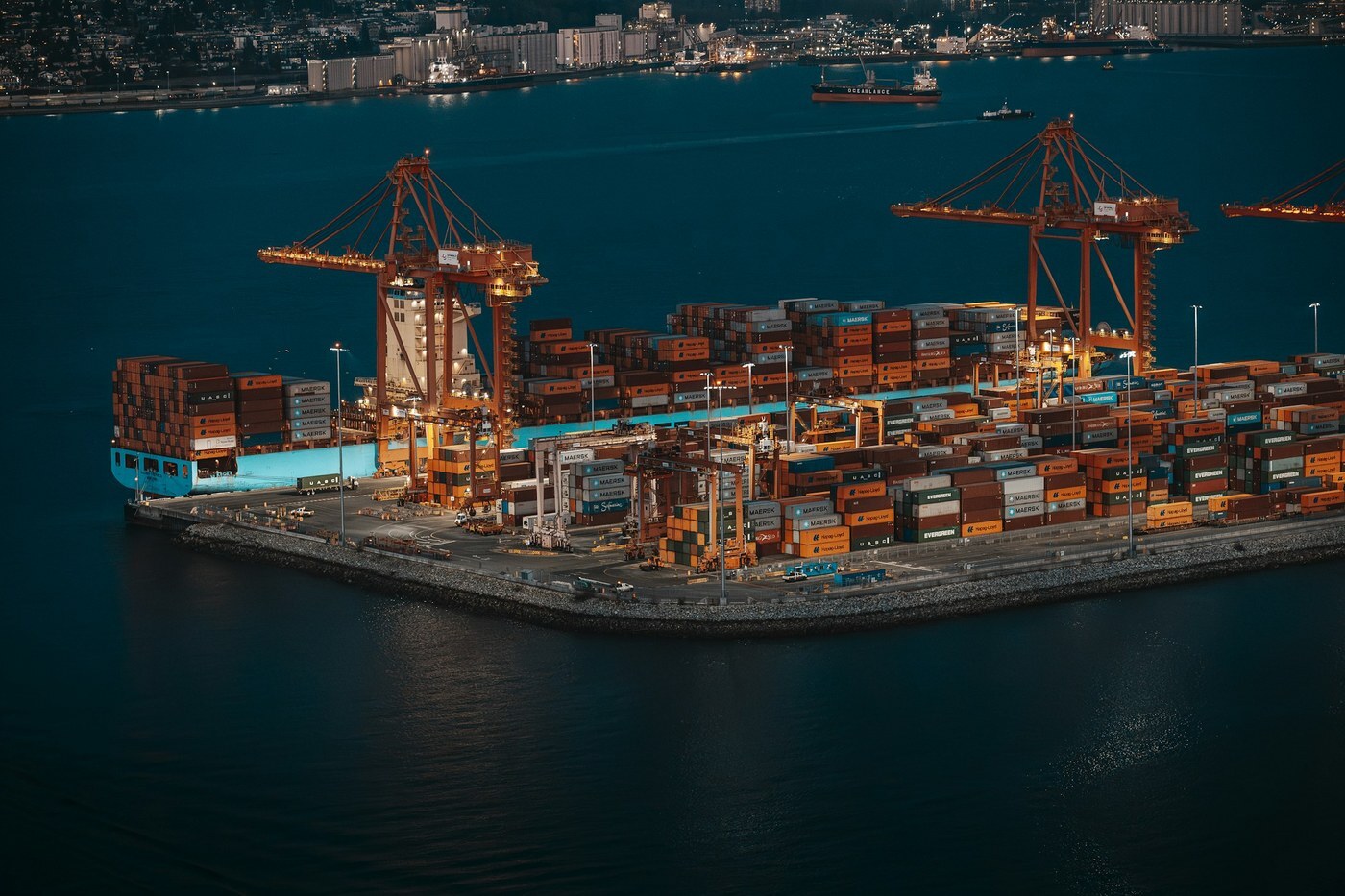
The useful way to plan is backward: start with the date your inventory must be sellable at Amazon, then subtract receiving, freight, export, and production time. Forceget, a freight forwarder, published this timeline for FBA sellers on November 24, 2026:
| When | What it means for FBA sellers |
|---|---|
| November to early December 2026 | Last purchase orders that can be produced before the closure. Get supplier dates in writing. |
| Mid-December 2026 | Last ocean space booked; rates rise. Create the shipment plan. |
| Late December to first week of January | Last ocean departures. Less-than-container-load (LCL) closes first; full containers around the first week of January. |
| Second half of January 2027 | Factories slow and close. Only air and express remain, at peak rates. |
| February 5 to 13, 2027 | Official holiday. |
| Mid-February to March 2027 | Factories restart with reduced staff. First new orders reach FBA in late March or April. |
Forceget sums it up this way: inventory you need in February and March must leave China by the first week of January by ocean, or by late January by air.
Your destination port changes the math. China Quality Service gives these planning estimates, and stresses that you should confirm them with your forwarder:
Remember that the port is not the finish line. Customs clearance, trucking, prep, and Amazon receiving all come after the ship arrives. If your goods usually take two weeks from port to "available" in Seller Central, add those two weeks before you count on the stock.
Freight tightens before factories do. Seko told The Loadstar it recommends placing ocean bookings at least four weeks in advance, notes that carriers typically add blank (cancelled) sailings around the holiday, and suggests building one to two extra weeks into transit plans. iBanFirst suggests many importers request transport capacity four to six weeks before the shipping date they want.
Every source above agrees on one point: the public holiday calendar is only a starting point. Each factory sets its own schedule, and some workers do not come back after the break. iBanFirst recommends asking each supplier to confirm:
Send these questions now, even if you think your current order is safe. A supplier who says "no problem" in November may be juggling many rush orders in January. Ask for the dates in a message or in the purchase order itself, so you have something to point to later.
iBanFirst suggests giving priority to products with long manufacturing lead times, single-source items, critical components, and goods with few substitutes. For an Amazon seller, that usually means your best sellers and any product whose packaging, inserts, or custom parts come from a second supplier. If one component is late, the whole order is late.
Lead times, freight, and Amazon's inventory rules all shape how much stock you should order. Bubba Academy's step-by-step program shows sellers how to source products, plan shipments, and keep listings in stock.
The normal reorder math still works. The difference is that lead time gets much longer, because no new production leaves China for several weeks. If you want a refresher on the standard formula first, our guide to the reorder point formula for Amazon sellers walks through it step by step.
Forceget offers a simple version for the Chinese New Year order:
Pre-holiday quantity = daily sales × (factory gap + transit time + safety margin) − (stock at Amazon + stock already on the way)
In its example, a product selling 20 units a day, with a 56-day factory gap, 45 days of door-to-door transit, and a 14-day safety margin, needs 20 × 115 = 2,300 units. With 400 units already at Amazon, that leaves 1,900 to order before the holiday. Your numbers will be different, so run the formula for each SKU rather than copying the example.
Forceget points out a common mistake: using December's holiday sales rate to plan for February and March. Look at your daily sales for the same weeks last year and adjust for growth. If the product is new, use a conservative estimate. Forceget also notes that the Restock Inventory page in Seller Central can suggest quantities, but it does not know when your factory closes, so treat it as a check, not the answer.
PrepVia suggests planning eight to twelve weeks of coverage on China-sourced SKUs, calculated as weekly sales multiplied by the gap between your last pre-holiday arrival and your first post-holiday arrival, minus what is already in transit. That is a planning range from one company, not an Amazon rule, so test it against your own lead times and cash.
Ordering more is only half the plan. Sending all of it to Amazon at once can trade a stockout for higher fees or a blocked shipment. Three Amazon rules set the limits.
An Amazon team member explains on the Seller Forums that the low-inventory-level fee applies only when both the 30-day and 90-day historical days of supply are below 28 days. A thin buffer in February can trigger this fee on every unit shipped. Our article on the FBA low-inventory-level fee and days of supply explains the exemptions and how the metric is calculated.
Forceget notes that Amazon sets a monthly capacity limit per storage type, based on factors such as your IPI score, sales history, and seasonality, and that you cannot create new shipments if your on-hand inventory plus open shipments would go over it. A big pre-holiday order may simply not fit. See our guide to FBA capacity limits and Capacity Manager for how limits are set and how to request more space.
Standard-size monthly storage drops from $2.40 per cubic foot in October to December to $0.78 per cubic foot from January to September, according to Your eCom Team. That helps in January, but months of extra stock still cost money and keep aging.
Both PrepVia and Forceget recommend the same pattern: keep roughly 30 to 60 days of supply at Amazon (PrepVia's range), land the rest at a US warehouse or prep center, and send smaller replenishments to FBA through February and March. Amazon's own option for this is Amazon Warehousing and Distribution. Our article on AWD bulk storage and auto-replenishment explains how it works and when it fits. Forceget also notes that US fulfillment centers operate normally during Chinese New Year; the bottleneck is that no new cargo leaves China.
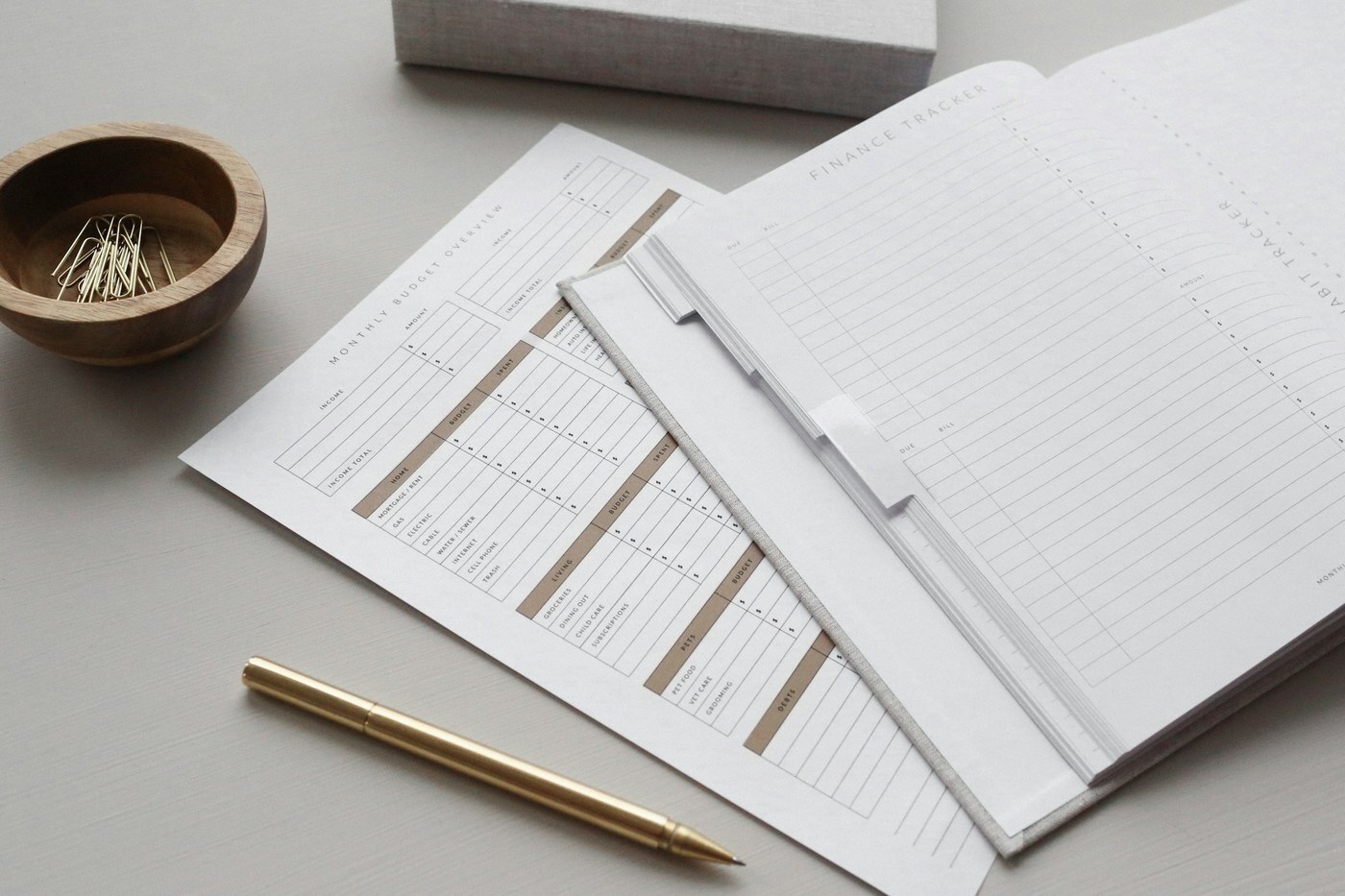
For many sellers, the hard part is not the math. It is the money. PrepVia points out that the Chinese New Year freight bill lands in December and January, on top of post-holiday returns and before fourth-quarter payouts fully settle. A bigger order, a deposit, ocean freight, and possibly some air freight can all hit in the same few weeks.
Before you confirm the order, write down three numbers for each product:
If the cash does not cover every SKU, cover your best sellers first. A slower product that runs out in March costs far less than your top seller going out of stock for six weeks. Keep a small contingency budget, because Maersk notes that peak season surcharges and higher freight rates are common during these periods.
Rush orders bring a second risk. China Quality Service warns that factories squeeze production into a short window before the holiday, run overtime, and bring on temporary staff, and that defect rates can climb right when there is no time left for rework. It also flags the first production runs after reopening as higher risk, because of new staff and restarted equipment.
A few habits reduce that risk:
If you have not placed your pre-holiday order yet, you still have options, but each one costs more time or money:
Before the Black Friday rush takes all your attention, block one hour and do five things: send the seven supplier questions above to every factory you buy from; ask your freight forwarder for its last booking and sailing dates to your port; run the pre-holiday formula for each China-sourced SKU using last year's February and March sales; check your FBA capacity limit and decide how much will wait at a US warehouse; and map the deposit, balance, and freight payments against your expected cash. If you want a structured way to learn sourcing, shipping, and inventory planning, explore Bubba Academy and its Amazon training course.
Bubba Academy trains sellers on product research, sourcing, compliance basics, listings, FBA inventory, pricing, and ads, so you can plan your supply chain a season ahead.
Join Bubba Academy Today →Chinese New Year 2027 falls on Saturday, February 6, 2027. China's official Spring Festival holiday runs nine days, from February 5 to February 13, 2027, according to the State Council notice published in November 2026.
Much longer than the official holiday. Logistics firms report that many factories stop or slow production from mid- or late January and do not return to full capacity until late February or March. Each factory is different, so ask your supplier for its closing, reopening, and full-production dates in writing.
Logistics guides published in 2026 put the last purchase orders for ocean freight between early November and early December 2026, with last ocean departures from late December to early January. Your real deadline depends on your production time, destination port, and freight route, so confirm it with your supplier and forwarder.
One common method is daily sales multiplied by the factory gap plus transit time plus a safety margin, minus the stock you already have at Amazon and in transit. Use last year's February and March sales, not December's, and check that the result fits your cash and your FBA capacity limit.
Not always. Sending everything at once can exceed your capacity limit and add storage costs. Many sellers keep a few weeks to two months of supply at Amazon, stay above the 28-day level that can trigger the low-inventory-level fee, and store the rest at a US warehouse or AWD to send in smaller shipments.