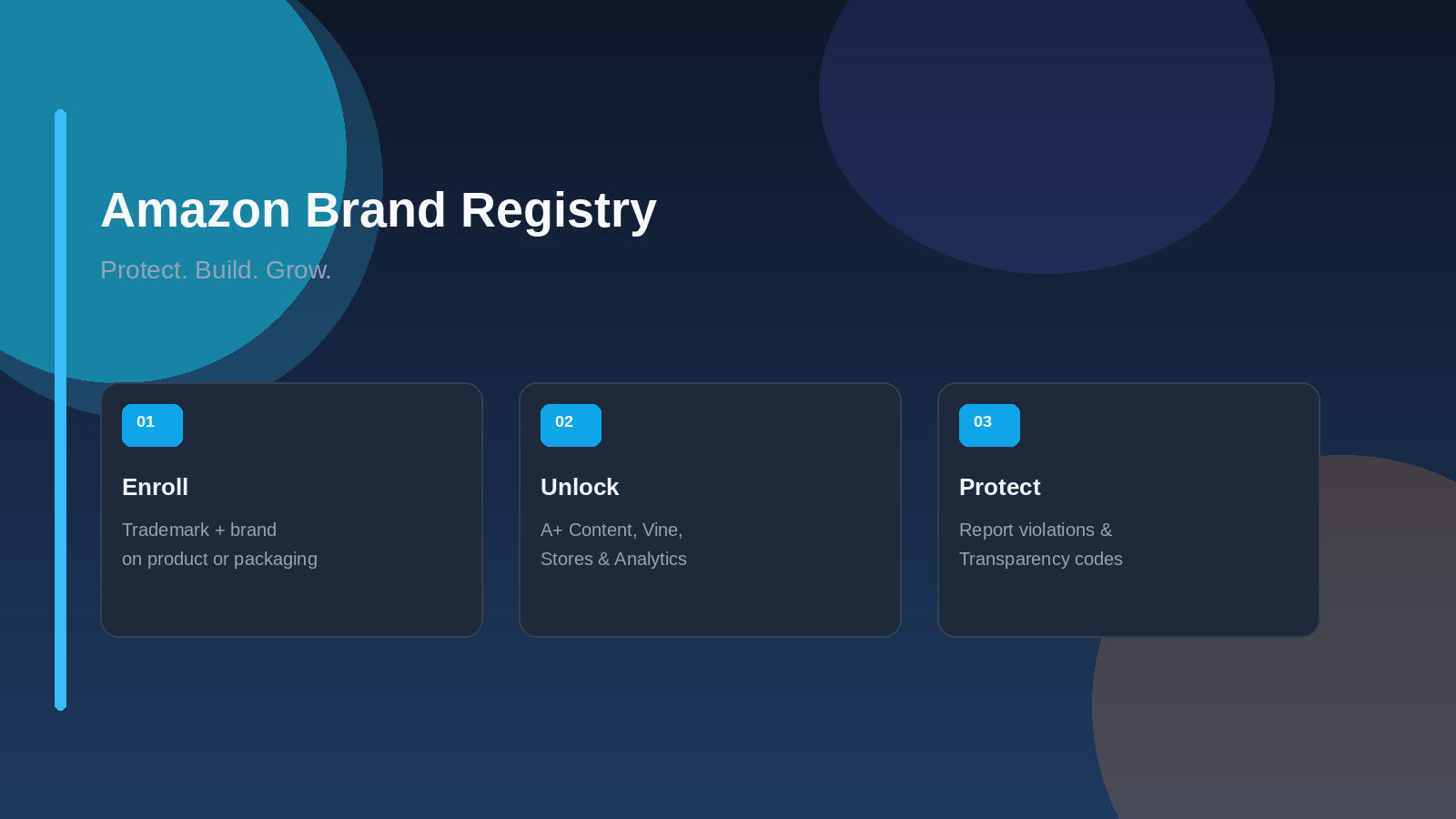

Shipping costs can quietly eat 10–20% of your Amazon FBA margins if you choose the wrong method. The decision between SPD vs LTL shipping Amazon FBA sellers face isn't just about price per pound—it's about box count, pallet rules, FBA fees, and how Amazon receives your inventory.
If you've ever stared at a Seller Central shipping plan wondering whether to click "Small Parcel Delivery" or "Less Than Truckload," this guide breaks down exactly when each method wins.
By the end, you'll know which method matches your shipment size, how to avoid hidden costs, and the simple thresholds that determine the cheapest option for your business.
📦
Free Download: The Amazon FBA Starter Checklist
Before you source your first product, make sure you have the fundamentals locked in. This free checklist is used by hundreds of Bubba Academy students to launch faster and avoid costly rookie mistakes.
- ✓ Step-by-step product selection framework
- ✓ Supplier sourcing and negotiation checklist
- ✓ First FBA shipment prep guide
What SPD and LTL Actually Mean for Amazon FBA
Small Parcel Delivery (SPD) means each box is shipped individually through carriers like UPS or FedEx. Amazon scans, processes, and receives each box on its own. There's no pallet—just stacked, labeled cartons.
Less Than Truckload (LTL) means your boxes are stacked on pallets, shrink-wrapped, and shipped by a freight carrier on a truck shared with other businesses' freight. Amazon receives the pallet, breaks it down, and processes the inventory.
Key operational differences:
- SPD: Per-box pricing, faster check-in at FBA, no BOL required, no appointment needed
- LTL: Per-pallet pricing, slower check-in (can take 1–3 weeks), Bill of Lading required, Amazon carrier appointment scheduled through Seller Central
- Box limits: SPD has weight and dimension limits per box (max 50 lbs, 25" longest side for standard cartons)
- Pallet limits: LTL pallets max out at 100" tall (including pallet) and typically 1,500 lbs
The simplest rule: if your shipment fits in fewer than ~10 boxes, SPD almost always wins. If you're shipping 15+ heavy boxes, LTL starts to make sense.
When SPD Shipping Is the Cheaper Option
SPD is the default winner for small to medium shipments. Amazon's partnered carrier rates through UPS are heavily discounted—often 50–70% lower than retail UPS pricing—making single-box shipping highly competitive.
SPD wins when:
- You're shipping fewer than 10–15 boxes
- Boxes weigh under 50 lbs each
- You're a new seller still testing products with smaller reorders
- You need faster Amazon check-in (usually 3–7 days vs 1–3 weeks for LTL)
- Your warehouse or 3PL doesn't have pallet-loading capabilities
Practical cost example: 8 boxes weighing 30 lbs each (240 lbs total) shipped 800 miles. Amazon partnered UPS SPD will typically run $90–$130. The same shipment via LTL often costs $180–$250 once you add pallet fees, residential pickup (if applicable), and minimum freight charges.
Action steps to maximize SPD savings:
- Always use Amazon Partnered Carrier when possible—rates are pre-negotiated
- Keep boxes under 50 lbs to avoid overweight surcharges
- Stay within 25" max dimension to avoid oversize fees
- Combine SKUs into fewer boxes when allowed to reduce per-box cost
- Verify FBA box labels are correct—rejected boxes destroy your savings
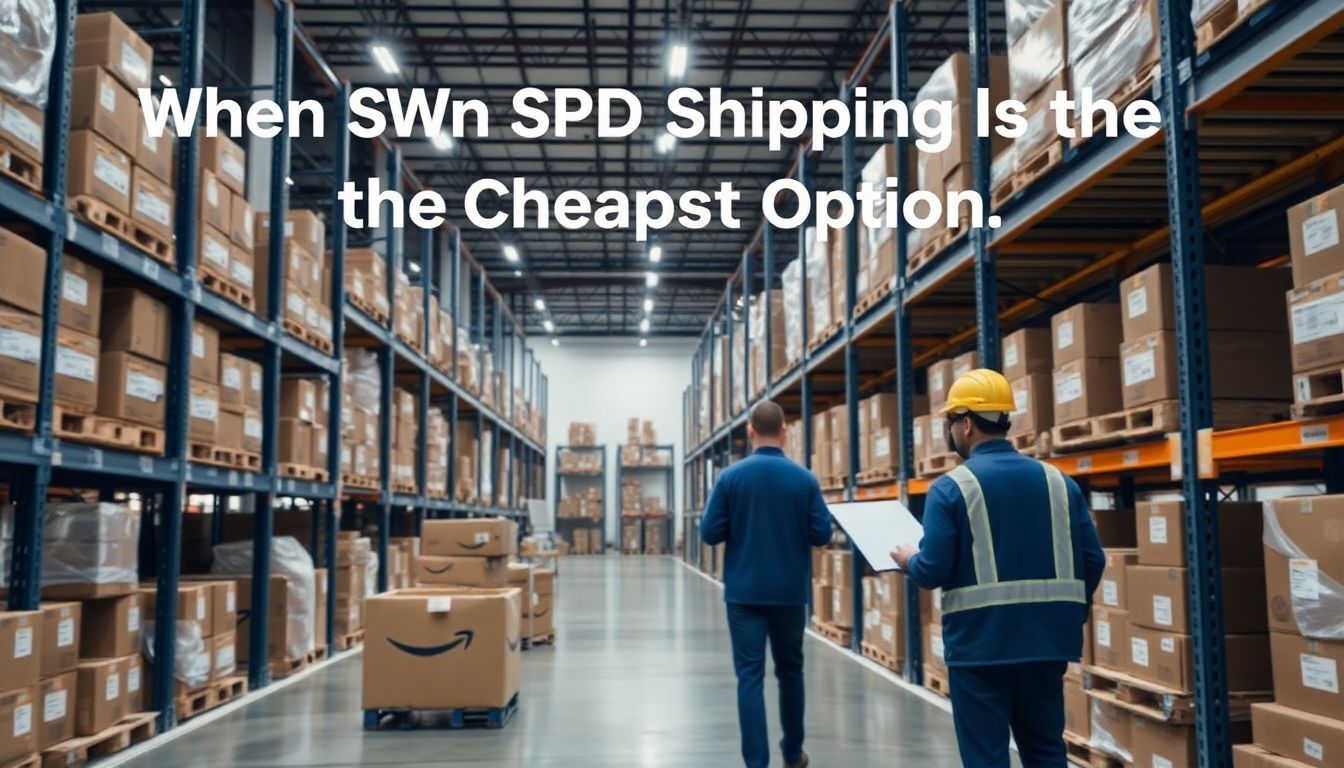
When LTL Shipping Saves You More Money
LTL becomes the cheaper choice as box count and weight scale up. Once you hit roughly 15+ boxes or 500+ lbs, the per-unit shipping cost drops significantly compared to SPD.
LTL wins when:
- You're shipping 15+ boxes or one full pallet (typically 30–60 boxes depending on size)
- Total weight exceeds 500 lbs
- You're sending bulk reorders of an established product
- You're shipping directly from a supplier or 3PL with dock access
- Your products are heavy or oversized (where SPD per-box fees stack up fast)
Practical cost example: 40 boxes at 25 lbs each (1,000 lbs total) on one pallet shipped 1,000 miles. LTL via Amazon Partnered Carrier (currently Ryder, formerly EAS): ~$250–$400. The same shipment via SPD: $500–$900+.
The math tipping point: when your per-box SPD cost multiplied by box count exceeds the flat LTL pallet rate plus fuel surcharge, switch to LTL.
Watch for these LTL cost factors:
- Class rating (lower freight class = cheaper; most consumer goods are class 85–125)
- Liftgate fees if your pickup location has no loading dock
- Residential pickup surcharges ($75–$150 extra)
- Pallet preparation costs (~$10–$25 per pallet if a 3PL builds it)
🚚
Never Get Your FBA Shipment Rejected Again
Inbound shipping mistakes cost new sellers hundreds of dollars in rejected inventory and re-prep fees. Bubba Academy walks you through every step of the FBA shipping process so your inventory arrives on time, correctly labeled, and accepted.
- → Create shipping plans that Amazon accepts first time
- → Choose the right carrier for SPD vs LTL shipments
- → Avoid labeling and packaging errors that cause rejections
The Hidden Costs Most Sellers Miss
Quoted shipping rates rarely tell the full story. Both SPD and LTL have surcharges that can flip your "cheapest option" calculation.
SPD hidden costs:
- Oversize/overweight fees if any single box exceeds limits ($20–$50 per box)
- Address correction fees if FBA warehouse details are off
- Box-level placement fees (Amazon's inbound placement service fee added in 2024)
- Damaged box reshipments—loose boxes get tossed around more than palletized freight
LTL hidden costs:
- Reclassification charges if your freight class is wrong on the BOL
- Detention fees if the driver waits too long at pickup
- Reweigh/redimension fees if your declared weight is inaccurate
- Pallet rejection at FBA if pallets aren't built to Amazon's specs (max 100" tall, properly shrink-wrapped, labels on all 4 sides)
Pro tip: Amazon rejects roughly 5–10% of LTL pallets for spec violations. A rejected pallet means redelivery fees, lost time, and possible chargebacks. Always verify your 3PL or supplier follows Amazon's exact pallet requirements before shipment.
Build a 10% buffer into every LTL quote and a 5% buffer into SPD quotes to reflect real-world costs.
How to Decide: A Step-by-Step Framework
Use this simple decision framework before every shipment instead of defaulting to one method.
Step 1: Count your boxes and total weight
- Under 10 boxes / under 300 lbs → SPD
- 10–15 boxes / 300–500 lbs → Run both quotes
- 15+ boxes / 500+ lbs → LTL
Step 2: Get both quotes in Seller Central
When creating your shipping plan, toggle between SPD and LTL during the "Shipping service" step. Amazon shows estimated partnered carrier rates for both. Screenshot and compare.
Step 3: Factor in speed and cash flow
- Need inventory live in 5–7 days? Choose SPD even at a small premium
- Have 2–3 weeks of stock buffer? LTL's lower cost wins
Step 4: Check your pickup location
- No loading dock → add liftgate cost (~$75) to LTL quote
- Residential address → SPD is almost always easier and cheaper
Step 5: Confirm box and pallet compliance
Before booking, verify:
- All boxes are under 50 lbs (SPD) or properly palletized (LTL)
- Labels are FNSKU + shipping labels, applied correctly
- Pallets are under 100" tall and shrink-wrapped
This framework prevents the most common mistake: defaulting to one method out of habit instead of pricing each shipment individually.
Conclusion
The SPD vs LTL shipping Amazon FBA decision comes down to volume, weight, and timing. SPD wins for small, fast shipments under 10–15 boxes. LTL wins once you scale past 15+ boxes or 500+ lbs—often cutting shipping costs by 40–60%.
Don't pick a method by habit. Run both quotes in Seller Central for every shipment over 10 boxes, factor in hidden surcharges, and choose based on actual numbers.
Your next step: Pull up your last 5 FBA shipments. Recalculate what each would have cost using the opposite method. If you find even one shipment where you overpaid by $50+, you've just identified a recurring leak in your margins—and now you know how to plug it.
🚀
Join Bubba Academy — Build Your Amazon Business the Right Way
You've learned the concepts. Now build the business. Bubba Academy gives you a complete step-by-step roadmap — from finding your first product to your first profitable sale on Amazon.
- ✓ Complete FBA launch roadmap from zero to first sale
- ✓ Private community of active Amazon sellers
- ✓ Live coaching and expert support
Frequently Asked Questions
What's the difference between SPD vs LTL shipping for Amazon FBA?
SPD (Small Parcel Delivery) ships individual boxes through carriers like UPS or FedEx, with each box scanned and tracked separately. LTL (Less Than Truckload) ships multiple boxes together on pallets via freight carriers. SPD is ideal for smaller shipments under 150 lbs, while LTL is more cost-effective for larger shipments, typically 10+ boxes or 150+ lbs.
When should I use LTL instead of SPD for my FBA shipments?
Use LTL when you're shipping more than 10-15 boxes or your total weight exceeds 150 pounds. At that point, palletizing and using freight becomes cheaper per pound than individual parcel rates. If your shipment fits on 1-2 pallets and goes to a single Amazon warehouse, LTL almost always wins on cost.
Is SPD vs LTL shipping Amazon FBA cheaper for small sellers?
For small sellers shipping under 10 boxes or lightweight products, SPD is usually cheaper because you avoid pallet fees, freight class charges, and BOL costs. Amazon's partnered UPS rates through SPD can be 30-50% lower than retail shipping rates. Once your volume grows past 150 lbs per shipment, LTL becomes the more economical choice.
How do I decide between SPD vs LTL shipping Amazon FBA for my inventory?
Calculate the total weight and box count of your shipment, then compare quotes from both methods inside Seller Central. As a general rule, choose SPD for under 150 lbs and LTL for anything heavier or palletized. Also factor in delivery speed—SPD typically arrives faster, while LTL can take 5-10 business days.
Does Amazon charge extra fees for LTL shipments?
Yes, Amazon may charge unloading fees for LTL shipments, typically around $5 per pallet, plus you'll pay for pallets, shrink wrap, and a Bill of Lading. However, these costs are usually offset by the lower per-pound freight rate. Always run a total landed cost comparison before booking to confirm savings.