

If you're starting an Amazon business, understanding your Amazon FBA shipping cost is one of the most important steps to protect your profit margins. Many new sellers focus only on product price and forget that shipping fees, both inbound and outbound, can quickly eat into earnings.
The good news? FBA shipping costs are predictable once you know how the system works. Amazon charges fees based on size, weight, and category, and you can plan around them before you place your first order.
In this guide, you'll learn what FBA shipping costs include, how Amazon calculates them, and practical ways to lower them as a beginner seller.
Free Amazon FBA Starter Checklist
Download our step-by-step checklist and launch your first product faster.
Download Free Guide →What Is Amazon FBA Shipping Cost?
Amazon FBA shipping cost refers to the fees you pay to move products through Amazon's fulfillment system. It's not a single charge — it's actually made up of several smaller fees that combine to form your total shipping expense.
Here's what's typically included:
- Inbound shipping: The cost of sending your inventory from your supplier (or your home) to Amazon's warehouses.
- FBA fulfillment fee: Amazon's charge for picking, packing, and shipping each unit to the customer.
- Storage fees: Monthly charges based on how much space your inventory takes up.
- Removal or disposal fees: Charged if you want to remove or destroy unsold stock.
The fulfillment fee is what most sellers think of as "FBA shipping," but inbound shipping is just as important. If you're importing from China, for example, freight shipping can cost more than the FBA fee itself.
Understanding all these layers helps you price your product correctly and avoid surprises in your seller dashboard.
How Amazon Calculates FBA Fulfillment Fees
Amazon calculates FBA fulfillment fees based on product size tier and shipping weight. Once your product arrives at the warehouse, Amazon measures and weighs it, then assigns it to a category.
The main size tiers are:
- Small standard: Lightweight items under 1 lb (e.g., phone cases, small accessories).
- Large standard: Heavier items up to 20 lbs (e.g., books, kitchen tools).
- Large bulky: Bigger items up to 50 lbs (e.g., small appliances).
- Extra-large: Oversized items, often furniture or large equipment.
Each tier has its own fee structure. For example, a small standard item under 4 oz might cost around $3.06 per unit to fulfill, while a large bulky item can cost $9 or more.
Practical tip: Always check Amazon's official FBA Revenue Calculator before sourcing a product. Enter the ASIN of a similar product, plug in your costs, and you'll see exact fulfillment fees. This single tool can save you from picking products with thin margins.
Smaller and lighter products almost always have better profit potential for beginners.
Inbound Shipping: Getting Inventory to Amazon
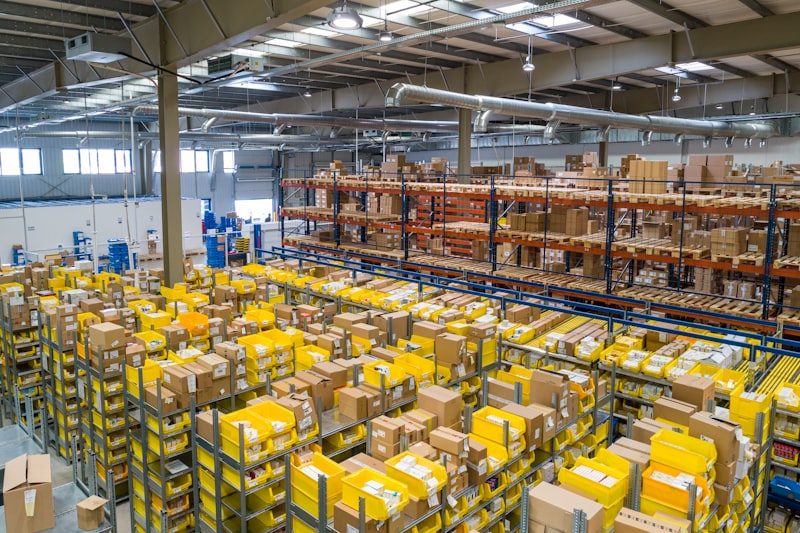
Inbound shipping is the cost of getting your products to Amazon's fulfillment centers. As a beginner, this is where you can save — or lose — the most money.
You have three main options:
- Small parcel delivery (SPD): Boxes shipped via UPS or similar carriers. Best for small orders (under 150 units).
- Less than truckload (LTL): Pallets shipped via freight. Best for larger shipments.
- Full truckload (FTL): Entire trucks for large-scale orders.
If you're importing from overseas, you'll also deal with sea freight or air freight. Sea freight is cheaper but slower (30–45 days). Air freight is faster (5–10 days) but can cost 4–6x more per kilogram.
Action steps to lower inbound costs:
- Use Amazon Partnered Carriers for discounted UPS rates.
- Ship in bulk to reduce per-unit cost.
- Negotiate freight rates with at least three forwarders before booking.
- Use Amazon's distribution to one location instead of splitting shipments when possible.
Track every dollar spent on inbound shipping — it's part of your true cost of goods sold (COGS).

Start Your Amazon Business with Bubba Academy
Join thousands of students learning to build real Amazon FBA businesses.
Join Bubba Academy →FBA Storage Fees You Should Know About
Storage fees are often overlooked by new sellers, but they can quietly drain your profits. Amazon charges storage based on the cubic feet your inventory occupies, and rates increase during the busy Q4 season (October–December).
Current storage fee structure (standard-size items):
- January–September: ~$0.87 per cubic foot
- October–December: ~$2.40 per cubic foot
In addition, Amazon charges aged inventory surcharges if your products sit in the warehouse for more than 181 days. The longer it stays, the more you pay.
How to keep storage fees low:
- Send smaller, more frequent shipments instead of one large one.
- Monitor your Inventory Performance Index (IPX) in Seller Central.
- Run promotions or PPC ads on slow-moving inventory.
- Use Amazon's removal service before long-term fees stack up.
For beginners, the biggest mistake is sending 6 months of inventory at once. Start with 60–90 days of stock based on your sales velocity. This keeps your cash flow healthy and avoids unnecessary fees.
Practical Ways to Reduce Amazon FBA Shipping Costs
Lowering your FBA shipping costs comes down to smart product choices and efficient logistics. Here are proven strategies any beginner can apply:
1. Choose the right product size Stick with small, lightweight products (under 1 lb, under 18 inches on the longest side). These fall into the cheapest fee tier and reduce both shipping and storage costs.
2. Optimize your packaging Reduce empty space in your boxes. Smaller, tighter packaging means lower dimensional weight charges.
3. Use Amazon's Partnered Carrier Program You can get up to 70% off UPS rates when shipping inbound from the U.S.
4. Compare freight forwarders If you import internationally, get quotes from at least 3 forwarders. Rates can vary by 20–40%.
5. Bundle products carefully Multi-unit bundles increase weight but also increase price points. Run the math before bundling.
6. Avoid oversized products as a beginner Large bulky items have higher fees, slower turnover, and bigger storage costs.
7. Track and adjust monthly Review your fee reports in Seller Central. Spot patterns, fix issues fast.
Each of these steps adds up. Saving $0.50 per unit on 1,000 units is $500 back in your pocket every month.
Conclusion
Understanding Amazon FBA shipping cost is essential for protecting your margins and building a sustainable business. The total cost includes fulfillment fees, inbound shipping, storage fees, and potential removal charges — and each one is influenced by your product choices.
Key takeaways:
- FBA fulfillment fees depend on size and weight tiers.
- Inbound shipping is often the largest hidden cost.
- Storage fees spike in Q4 and on aged inventory.
- Smart product selection and packaging reduce costs significantly.
- Always run the FBA Revenue Calculator before sourcing.
Your next step: Pick one product idea and run it through the Amazon FBA Revenue Calculator today. Plug in realistic shipping, fulfillment, and storage costs. If the numbers work, you have a winner. If not, refine and try again — that's how smart sellers build profitable Amazon businesses from day one.


Frequently Asked Questions
How much does Amazon FBA shipping cost on average?
The average Amazon FBA shipping cost ranges from $3 to $6 per small standard-size unit, but it varies based on product weight, size, and category. Larger or heavier items can cost $8 to $20+ per unit. Amazon updates its FBA fee structure each year, so always check the current rate card before pricing your products.
What's included in the Amazon FBA shipping cost?
The Amazon FBA shipping cost typically covers picking, packing, shipping to the customer, customer service, and returns handling. It does not include the cost of shipping your inventory from your supplier to Amazon's warehouses. You'll need to budget separately for inbound shipping, which is paid to your freight forwarder or carrier.
Do I have to pay to ship products to Amazon's warehouse?
Yes, sellers are responsible for shipping their inventory to Amazon's fulfillment centers. Costs depend on your shipping method (air, sea, or ground), product volume, and the carrier you choose. Many sellers use Amazon Partnered Carriers to get discounted rates on UPS or freight shipments.
Why are my FBA fees higher than expected?
Higher-than-expected FBA fees usually come from oversized packaging, heavy items, or low-priced products that fall under the low-price FBA tier incorrectly. Dimensional weight, peak season surcharges, and storage fees can also inflate your costs. Use the Amazon Revenue Calculator before launching to estimate fees accurately.
How can I reduce my Amazon FBA shipping costs?
To lower your shipping costs, minimize product packaging size and weight, ship in bulk to reduce per-unit inbound costs, and use Amazon's Partnered Carrier program for discounts. You can also negotiate rates with freight forwarders and avoid long-term storage fees by managing inventory turnover. Small changes in dimensions can move products into cheaper size tiers and save you money per unit.